

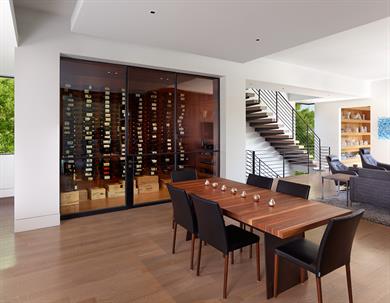
A glass wine room can transform how a home stores and showcases a wine collection. Instead of hiding bottles in a basement rack or cabinet, you can turn your collection into a design feature that enhances the overall space. A well-designed wine room offers both storage and visual appeal, especially when glass allows the collection to remain visible from nearby rooms. However, achieving the right balance between style, function, and fit requires careful planning.
What a Glass Wine Room Adds to a Home
A glass wine room can elevate the overall design of a home. Instead of traditional storage that remains tucked away, glass creates an opportunity to showcase a collection as part of the interior décor. You may choose a modern wine room enclosure because they create a polished, custom appearance. Glass walls allow the collection to remain visible while keeping bottles protected in a designated environment.
Beyond aesthetics, a wine room can improve organization. Bottles remain easy to access and display when they sit in a dedicated space designed specifically for wine collections. If you enjoy entertaining, a glass wine room can become a focal point.
Start With the Right Location
Location plays one of the most important roles in a successful wine room project. Before designing the enclosure, consider how the space will connect with nearby rooms and daily activities. Many wine rooms appear near dining rooms or entertainment spaces, making the collection easy to access.
Available square footage also matters. Some homes dedicate a small room to wine storage, while others convert underutilized spaces. Traffic flow deserves attention during planning. A wine room should enhance the layout rather than interrupt it. Proper placement ensures that the enclosure integrates naturally with the surrounding living spaces while drawing visual attention.
Think About the Look You Want
A wine room should reflect the design style of the home around it. You may prefer sleek, modern spaces with minimal framing and clean lines or a more traditional look that complements classic architecture. Glass plays a major role in shaping the final look. Frameless glass panels create a seamless, modern appearance. Thin metal framing adds definition and structure without overwhelming the space.
Door style also influences the final design. Swing doors, pivot doors, and sliding doors each offer different visual and functional benefits. The right choice depends on the space available and how you plan to use the wine room. Lighting, shelving, and surrounding finishes also contribute to the overall appearance. When all design elements work together, the wine room feels like a natural extension of the home rather than an afterthought.
Privacy, Visibility, and Glass Selection
Glass allows you to showcase your wine collection, but the level of visibility can vary depending on the type of glass used. Clear glass creates the most open appearance. It allows the collection to remain fully visible from surrounding rooms, which works well if you want the wine room to act as a display feature. Frosted or tinted glass creates a more subtle look. These options still allow light to pass through the enclosure while softening the view of the interior.
If you want flexibility, smart glass offers an innovative solution. Gatsby Glass of Cincinnati provides smart glass technology that can switch from transparent to opaque with the touch of a button. This option allows you to enjoy a fully visible display when entertaining and additional privacy when desired. The glass selection influences both the enclosure's visual impact and its interaction with surrounding spaces.
Plan Around Storage and Display Goals
The layout of a wine room should match your storage goals. Some collections focus on long-term storage, while others prioritize display and easy access. If you collect a large number of bottles, you may need high-capacity racks that optimize vertical storage. Floor-to-ceiling shelving can hold hundreds of bottles while maintaining an organized layout.
Maybe you want a more decorative approach. If so, display shelving, accent lighting, and open racks can create a gallery-like environment where bottles act as part of the décor. Perhaps you prefer a combination of features allowing everyday bottles to remain easily accessible while showcasing special selections in display areas.
Why Custom Measurement Matters
Glass installations require precision. Even small measurement errors can affect how the panels fit, how doors open, and how the enclosure aligns with surrounding walls. Wine rooms tend to have unique layouts that standard glass panels cannot accommodate. Custom measurements allow each panel to fit perfectly within the designated space.
Professional planning accounts for structural details such as flooring transitions, ceiling height, and adjacent cabinetry. These factors influence how the enclosure integrates with the rest of the room. Accurate measurements help ensure that the final installation feels clean and seamless. A properly fitted enclosure improves both the appearance and long-term performance of the wine room.
What to Expect From the Installation Process
Adding a glass wine room begins with a consultation. During this stage, we will discuss your goals, style preferences, and possible locations for the enclosure. Next comes the design phase. We will help refine the layout, determine glass specifications, and select features that support your vision. Once our team finalizes the design, we take precise measurements of the space. We use these measurements to create the custom glass panels and hardware needed for the project. We carefully position the glass panels, secure the hardware, and ensure that the doors align and function properly.
Common Mistakes to Avoid Before Moving Forward
You may focus primarily on appearance when planning a wine room. While design matters, functionality should receive equal attention. Choosing a poor location can limit how the space functions. A wine room placed in an awkward area may disrupt traffic flow or reduce accessibility during gatherings.
Door placement also deserves careful planning. The enclosure should open comfortably without interfering with nearby furniture or walkways. Another common mistake involves underestimating storage needs. Collections often grow over time, so designing with future expansion in mind can prevent the need for major modifications later.
Create a Glass Wine Room That Fits Your Home
A thoughtfully designed wine room by Gatsby Glass of Cincinnati can combine storage, style, and functionality in a way that enhances the entire home. We will help you explore custom wine room design solutions that match your space, style, and collection goals.
If you are considering a new wine room, contact Gatsby Glass of Cincinnati today for a consultation.